garden
-
Why Your Peppers Keep Flowering but Never Set Fruit (It’s the Nights, Not You)
A pepper plant covered in blossoms that keeps dropping every one of them isn’t a sick plant. Nine times out of ten near the coast, it’s a temperature problem — and the number that matters isn’t the afternoon high, it’s the low at 4 a.m. What temperature makes peppers drop their flowers? Pepper pollen goes…
-
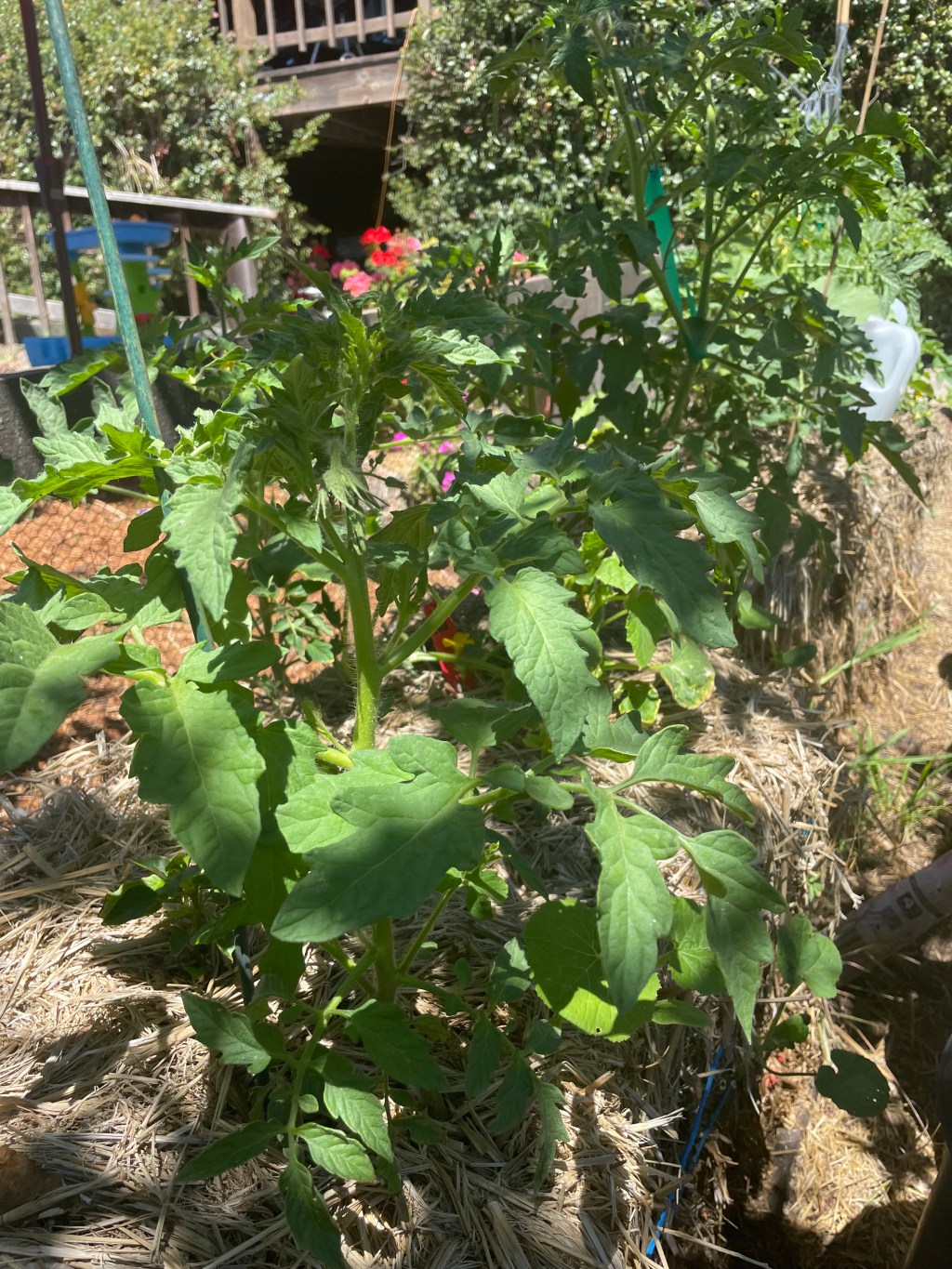
Why Your Tomatoes Split Open Overnight (and the Watering Habit That Stops It)
A tomato doesn’t crack because of heat, or disease, or bad luck. It cracks because the fruit’s skin stopped growing days before the inside did — and almost always because the plant went dry, then got soaked. In August, that’s a watering rhythm problem, not a plant problem. What Causes the Cracks? Tomato skin sets…
-
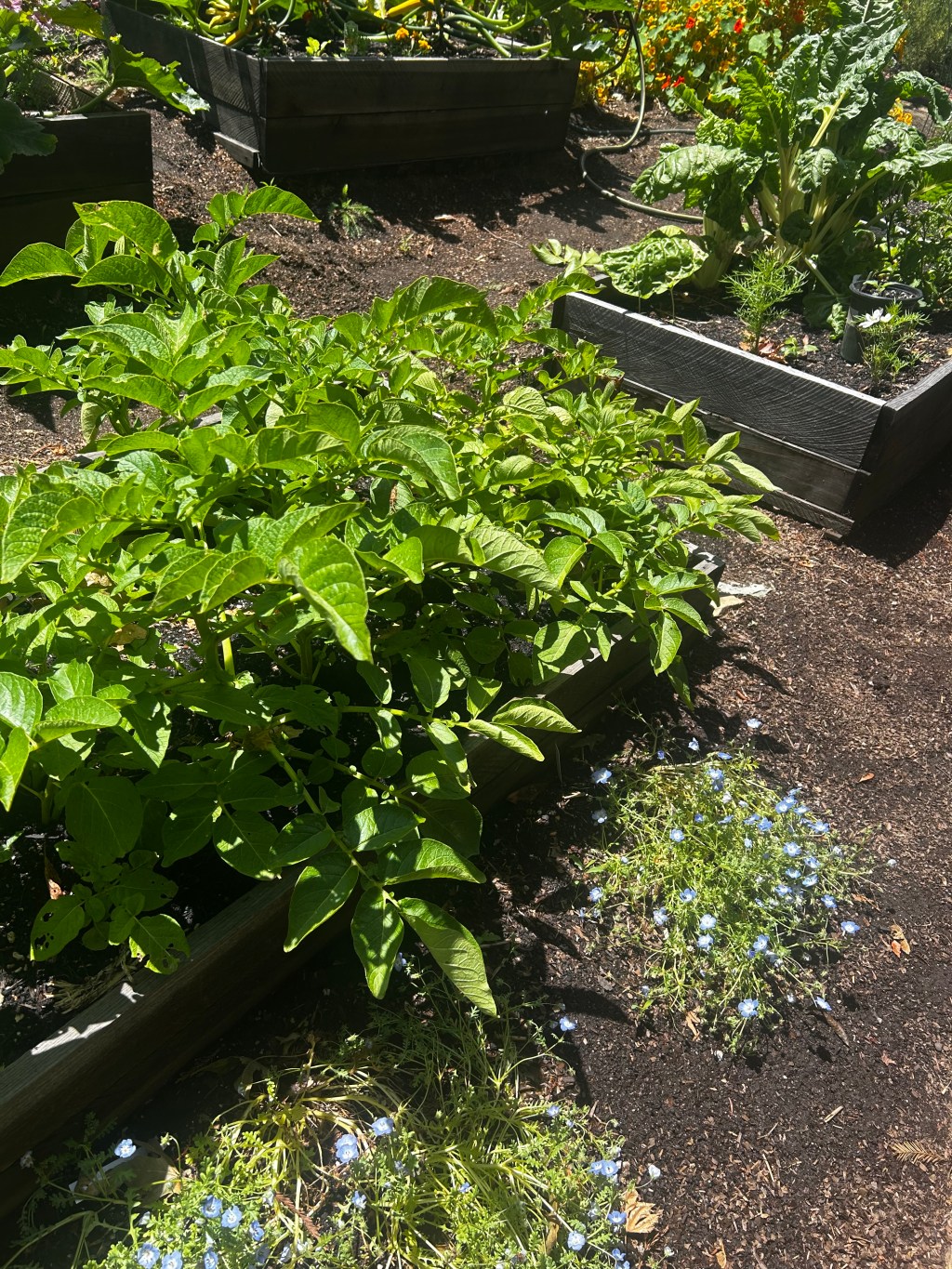
Why Your Plants Vanish Overnight (and the Gopher Fix That Actually Holds)
A gopher can pull a full-grown artichoke plant straight down into the ground and leave nothing but a hole where it stood. That’s not an exaggeration — it’s the single most demoralizing thing that happens in a Santa Cruz Mountains garden, and it almost always happens to a bed that was built without wire underneath…
-
Why Your Squash Leaves Go White Every August (and What Actually Stops It)
Powdery mildew isn’t caused by wet leaves. That’s the myth that keeps coastal California gardeners baffled every August — we’re barely watering, it hasn’t rained since April, and yet the squash patch looks like someone dusted it with flour. The truth is that this particular fungus loves warm days, cool nights, and humid air on…
-

5 Garden Plants Worth Saving Seeds From Right Now (and 2 That’ll Trick You)
Every summer, gardeners toss the best genetics in their garden straight into the compost pile — seeds from the earliest tomato, the lettuce that held out longest before bolting, the pea vine the aphids never touched. Late July is exactly when a lot of that seed is ready to save, and it costs nothing but…
-
The Raised Bed Mistake That’s Starving Your Garden by Late Summer
Most raised bed gardeners fill their beds with good soil once in spring and never feed them again. By late July, those beds have been watered dozens of times, and everything that made the soil rich has either been used up by hungry plants or rinsed straight out the bottom. Why do raised beds run…
-
The Acidic Soil Problem Every Redwood Gardener Ignores (Until Their Tomatoes Won’t Grow)
If your vegetable bed sits anywhere near a redwood’s drip line, there’s a good chance your soil is quietly working against you. Redwood duff breaks down into soil with a pH around 4.5 to 5.5, and most vegetables want something closer to 6.0 to 6.8. That mismatch is why a bed can get full sun,…
-

The Cutting Mistake That’s Slowing Down Your Zinnias and Dahlias
If you’re only cutting a flower or two at a time “so you don’t ruin the plant,” you’re actually training it to slow down. Cut-and-come-again flowers like zinnias and dahlias don’t get depleted by heavy cutting — they get depleted by neglect. The more you harvest, the more they push out new stems. Why does…
-
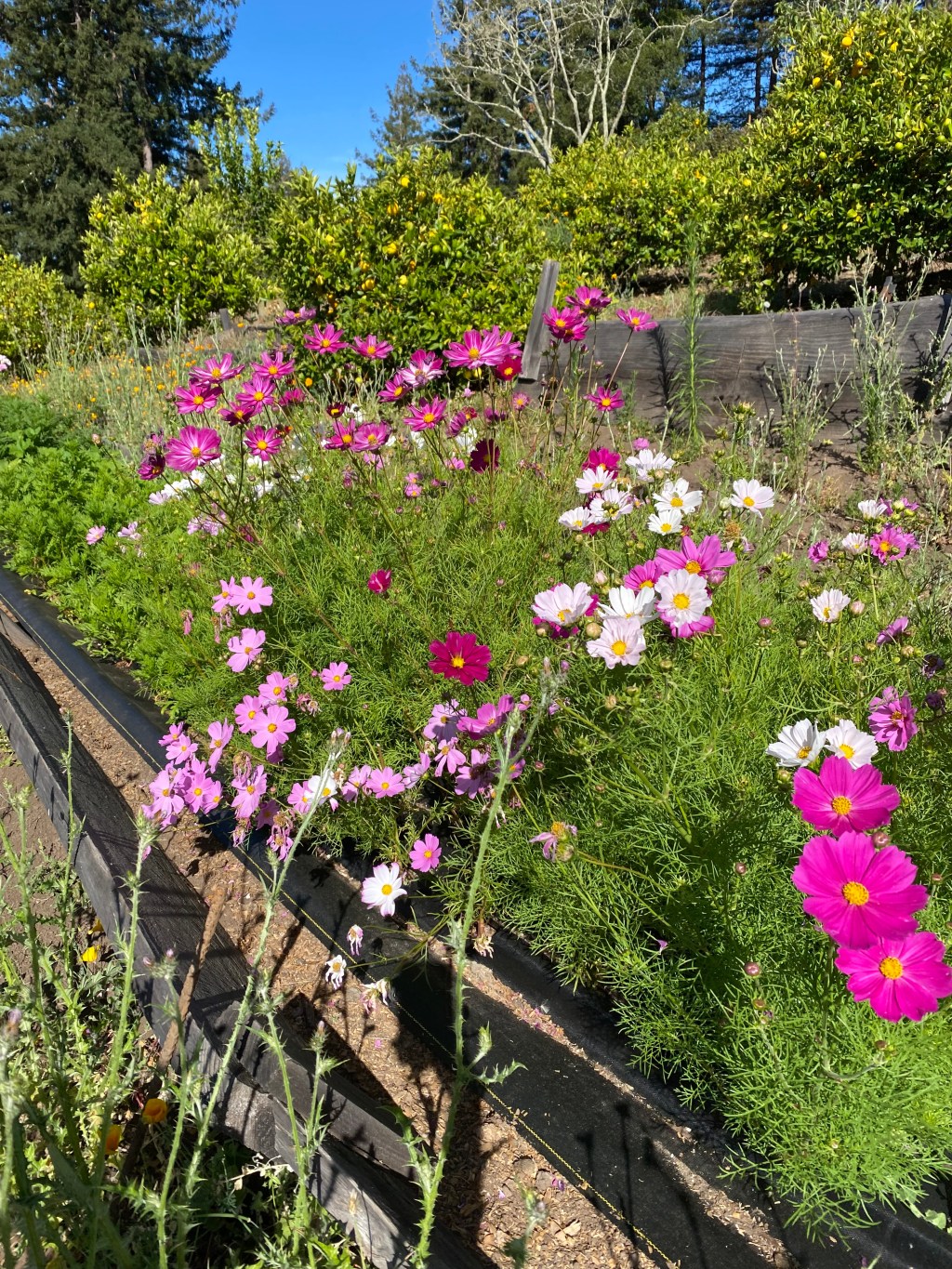
7 Plants Deer Leave Alone in a Redwood-Edge Garden
If you garden anywhere near the tree line here in the Santa Cruz Mountains, you already know: deer aren’t shy, and they aren’t picky when they’re hungry enough. I’ve stopped trying to outsmart them and started paying closer attention to what they actually leave standing. Why Deer Keep Coming Back Deer pressure tends to spike…
-
Companion Planting in the Summer Garden: What to Pair (and What to Keep Apart)
By mid-July our raised beds are packed tight, everything leaning on everything else, and it’s the perfect time to think about who’s actually helping who out there. Companion planting isn’t magic, but a few smart pairings really do cut down on pests, make better use of space, and keep the soil happier through a long,…

