The Garden Club · Santa Cruz County
Neighbors growing a little extra, and passing it along.
The Garden Club is a way of gardening together. Everyone follows the same monthly plan in a small raised bed, grows from seed in newspaper pots, and shares what they can. You don’t have to buy anything from us or sign up for anything to be part of it.
it started with lemons
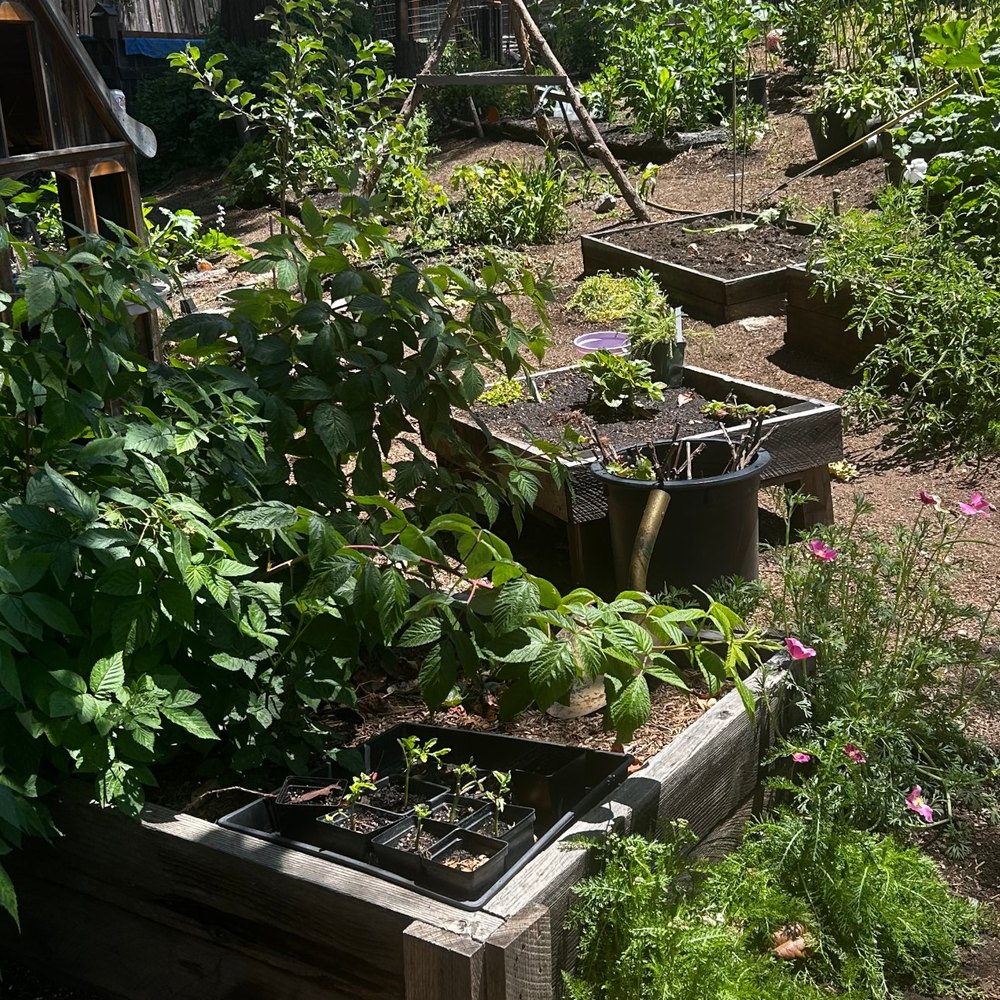
I’m Sabrina. I build redwood furniture and raised garden planters at The Redwood Patio, and I love a garden. I also have so many lemons that rot because I don’t do anything with them. Maybe for you it’s plums, or too much lettuce all at once. A garden rarely grows exactly what one family needs.
This club began as a plant subscription. I mapped out the crops, the dates and every square of the bed. Then fall came, the first boxes didn’t happen the way I planned, and I found myself asking what I really wanted this to be.
I already had the plan. So I’m sharing it, and asking one small thing of anyone who uses it: plant one extra seed. Grow for your own table, and grow a little more to share. A school garden. A community plot. A garden program at a correctional facility. A neighbor you haven’t met.
Sabrina
Where this plan works
Built for Santa Cruz County. Every date and variety in the guides is timed for our cool, foggy coast and mild winters. Give Days and give-aways start here.
Also a good fit nearby. If you garden on the coastal side of San Mateo County or Monterey County, in Sunset climate zones 16 or 17, the same dates should work for you too. You’re welcome to follow along and give to a site near you.
Where the dates may run off. Cold spots and inland valleys run on a different clock, including the Santa Cruz Mountains summit, chilly valley floors in the San Lorenzo Valley, and the Salinas Valley. If that’s you, expect to adjust.
Zones don’t follow county lines, and your own garden matters more than any map. A sunny inland spot may run a little early, and a shady redwood bed may run a little late.
How the plan works
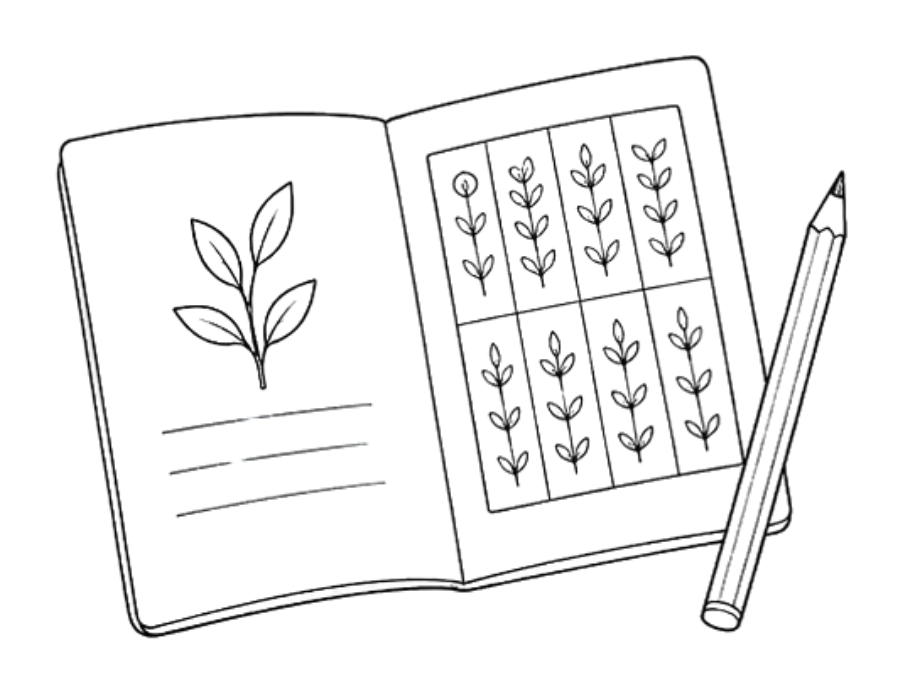
1. Pick your size
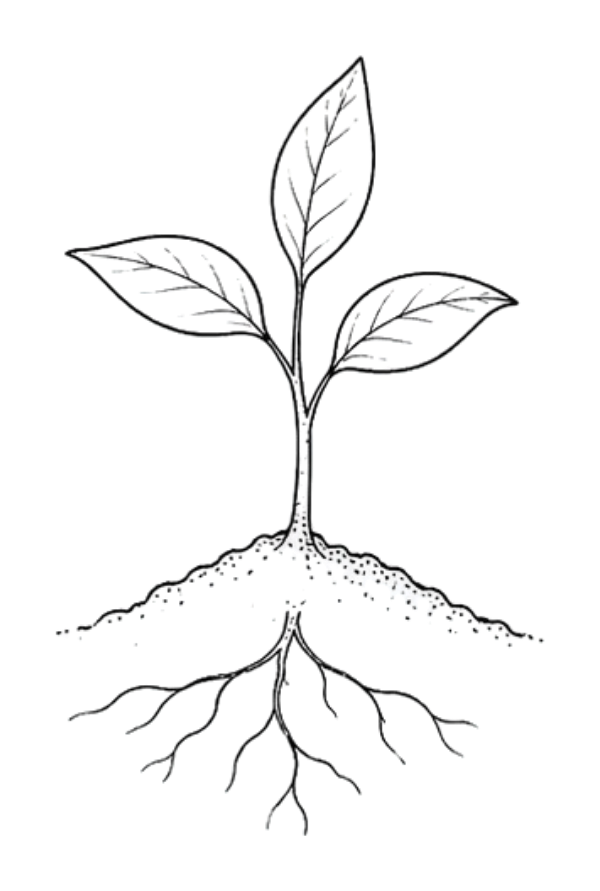
A 2 x 4 or a 4 x 4 bed. If you’re new to this, the 2 x 4 is a kind place to start.
2. Sow this month’s Starter
You can begin in any month. Plant your seeds in newspaper pots, using easy varieties chosen for that time of year.
3. Plant and give
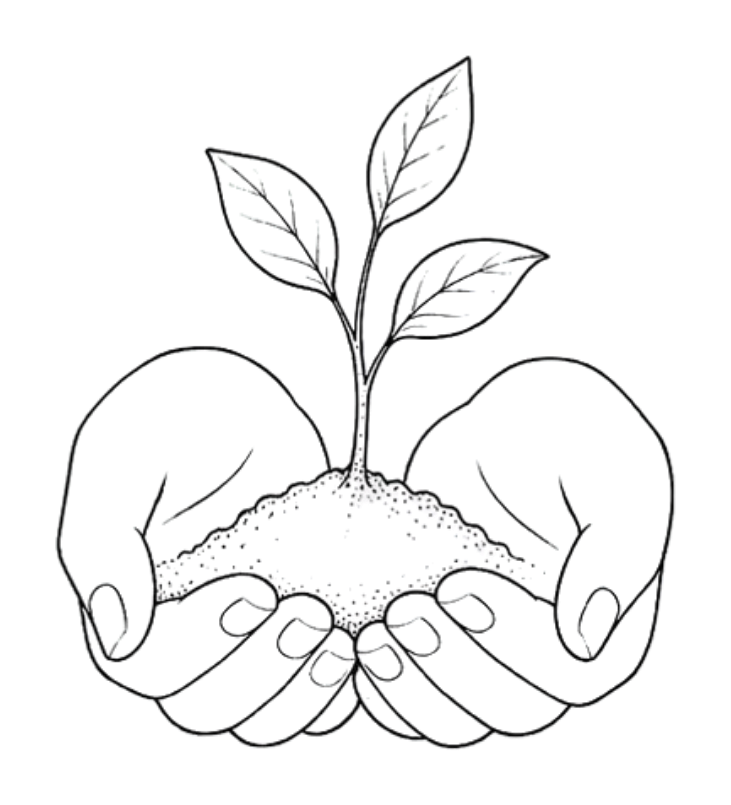
On your first Give Day, fill every square in your bed and pass the extra pots along.

4. Keep it going
When a crop finishes, plant that square from the guide for the month you’re in, with a few extra pots to give.
Where your extra plants can go
A garden you already know. Start with the places around you: your child’s school, the community garden down the road, or a garden program at a correctional facility. Plants do best where someone is already looking after them. Before you start sowing, talk with the person who runs the garden. Ask whether they’d like the plants, what size bed they have and who will water them. To fill a bed the same size as yours, sow a second full set instead of the extra pots.
The grounds around them. Not every plant has to be for eating. Each printable monthly guide also lists California natives and edible or medicinal flowers to grow from seed, for school grounds, a nonprofit’s front walk or a community path. Ask what the space needs and who will water through the first dry season. These plants are for landscaped places, not open space or creek restoration, where wild land needs local seed and special nursery care.
A community give-away. If no place comes to mind, that’s okay. You can still grow, and bring what you have to a community give-away, where someone can take it home. We’re still working out the date and place for the first one.
A note about schools. School gardens rest in June and July, so plan to pick back up in August. Many schools are also out around December 19, so check with yours before you plan on that date.
could your garden use a few more plants?
If you look after a school garden, a community garden, a nonprofit’s grounds or a garden program at a correctional facility in Santa Cruz County, raise your hand here. There’s no cost and nothing to apply for.
What’s available depends on what neighbors are growing, so it may take a little time. When someone nearby has plants that fit, I’ll reach out. Your garden won’t go on any public list unless you say so.
Thank you.
What you’ll need
- A 2 x 4 or 4 x 4 bed in at least six hours of sun
- Black and white newspaper
- Seed-starting mix, not potting soil
- Seeds from Johnny’s Selected Seeds
- A reused tray or flat, and a bright, sheltered spot outside
- A trellis for peas and cucumbers, and a cage or stake for tomatoes
- A little water and a little time
what we hope this grows into
For now, we’re sharing plants. Homes with a few extra pots to pass along. School gardens, community gardens and garden programs at correctional facilities, filling up with plants from neighbors they may never meet.
In time, we hope to share the harvest too, so that what one kitchen can’t use finds its way to another.
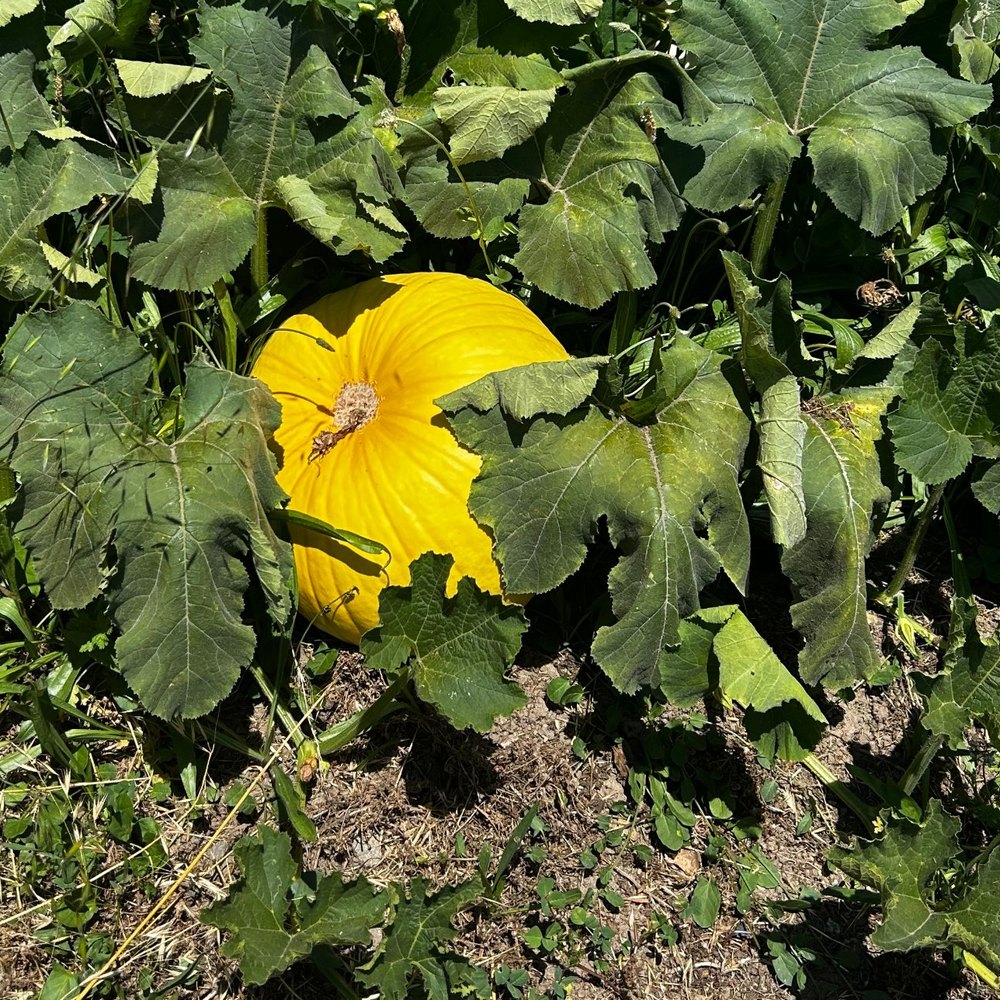
And someday, a little redwood stand on a neighbor’s property, holding what was grown right there, and a map of Santa Cruz County to show you where the extra is. The Redwood Patio hopes to build those stands for anyone who’d like one, once we’ve worked through the local rules. For now, it’s a hope, and it begins with one seed.
You don’t need an account or an email to use the guides. If a note when each new one is ready would help you, you can leave your email below.
Plant good. Grow well.

