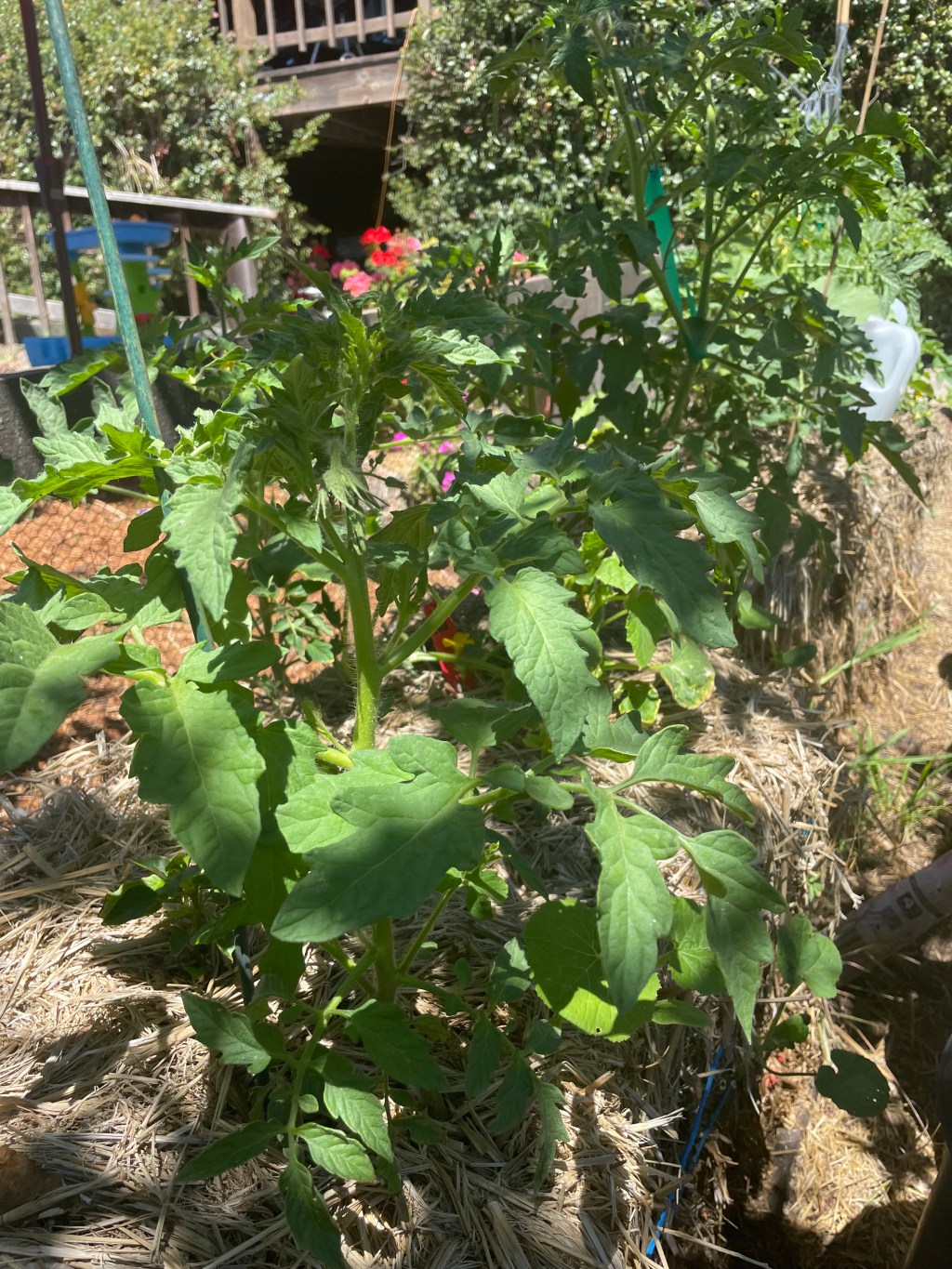
If your vegetable bed sits anywhere near a redwood’s drip line, there’s a good chance your soil is quietly working against you. Redwood duff breaks down into soil with a pH around 4.5 to 5.5, and most vegetables want something closer to 6.0 to 6.8. That mismatch is why a bed can get full sun, regular water, and good compost, and still produce sad, stunted tomatoes.
Why does soil near redwoods turn so acidic?
Redwood needles and bark are naturally acidic, and decades of that duff dropping and slowly composting in place lowers the pH of everything underneath and downhill from the canopy. It’s not just the soil directly under the trees, either — runoff carries that acidity into nearby beds, especially on a slope. Here in the Santa Cruz Mountains, I’ve tested soil ten feet from a bed’s edge and found it noticeably more acidic than soil just a bit farther from the treeline.
How do you know if your soil is too acidic?
A cheap probe or drugstore soil test kit will give you a number, but there are signs you can spot without one:
- Yellowing leaves with green veins, especially on tomatoes and peppers — often a sign of nutrient lockout caused by low pH
- Stunted, slow-to-establish transplants even with good watering
- Moss or sorrel thriving nearby, both classic acidic-soil indicators
- Beds close to redwoods, oaks, or a thick duff layer that hasn’t been amended in a few years
What actually thrives in acidic soil?
Before you fight the soil, it’s worth asking whether you should just work with it. A surprising number of plants prefer the exact conditions redwoods create:
- Blueberries, which genuinely want that 4.5-5.5 range and struggle in neutral soil
- Azaleas, camellias, and rhododendrons
- Hydrangeas, where acidic soil is also what pushes the blooms blue
- Ferns and other shade-tolerant woodland natives
- Potatoes, which tolerate acidic soil better than most vegetables
If a bed sits right up against the treeline, I’d rather plant it with blueberries and shade perennials than keep fighting it every season.
How do you fix acidic soil for vegetables?
- Add garden lime at roughly 5 pounds per 100 square feet to raise pH by about one point — retest before adding more
- Work in finished compost, which buffers pH swings in both directions over time
- Build raised beds with imported soil if a bed is close enough to the canopy that roots and duff keep re-acidifying it every year
- Retest every season, since redwood duff and rain keep pulling the pH back down
A soil test costs less than a flat of transplants. Test before you plant, not after everything comes up yellow.
Has anyone else fought this battle with a redwood-adjacent bed? What ended up working for you?

