Starting seeds is a great way to kickstart your gardening journey and grow your own plants from scratch. It can be a fun and rewarding experience, but it does require some knowledge and preparation. In this blog post, we will discuss the basics of starting seeds and provide some tips to help you successfully grow your own plants.
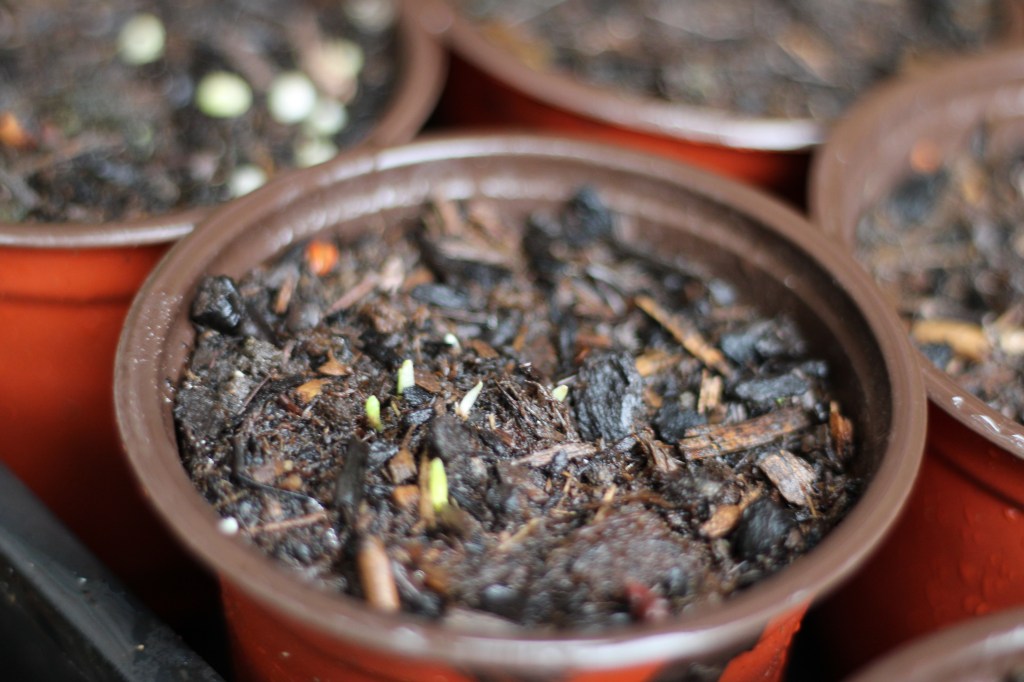
First and foremost, you need to decide what seeds you want to start. This could be vegetables, herbs, flowers, or any other plant that you want to grow. It is important to choose seeds that are suitable for your climate and growing conditions. You can get this information from the seed packet or by doing some research online.
Once you have chosen your seeds, the next step is to gather the necessary materials. This includes seed starting trays or pots, sterile potting mix, seeds, and a watering can. It is important to use a sterile potting mix to prevent any diseases or pests from affecting your seeds.
Now it’s time to start planting! Fill your seed starting tray or pots with the potting mix and gently tap it down to create a flat surface. Follow the instructions on the seed packet for the correct depth to plant the seeds. Generally, smaller seeds should be planted shallowly, while larger seeds can be planted deeper. After planting, lightly water the soil to ensure it is moist but not waterlogged.
Next, it is important to provide the right conditions for your seeds to germinate. This includes warmth, moisture, and light. You can create a warm and moist environment by covering the trays or pots with plastic wrap or a clear lid. Place them in a warm spot, such as on top of the refrigerator or near a sunny window. Once the seeds have sprouted, remove the plastic cover and place them under a grow light or in a sunny location to ensure they get enough light to grow.
As your seeds start to grow, it is important to keep the soil moist but not waterlogged. You can do this by lightly misting the soil with a spray bottle or using a watering can with a fine spout. Make sure to water from the bottom of the tray or pot to prevent disturbing the seeds.
As the seedlings grow, they will need to be transplanted into larger containers. This is known as “potting up” and should be done when the seedlings have developed their first set of true leaves. Gently remove the seedlings from the tray or pot and place them into a larger container with fresh potting mix.
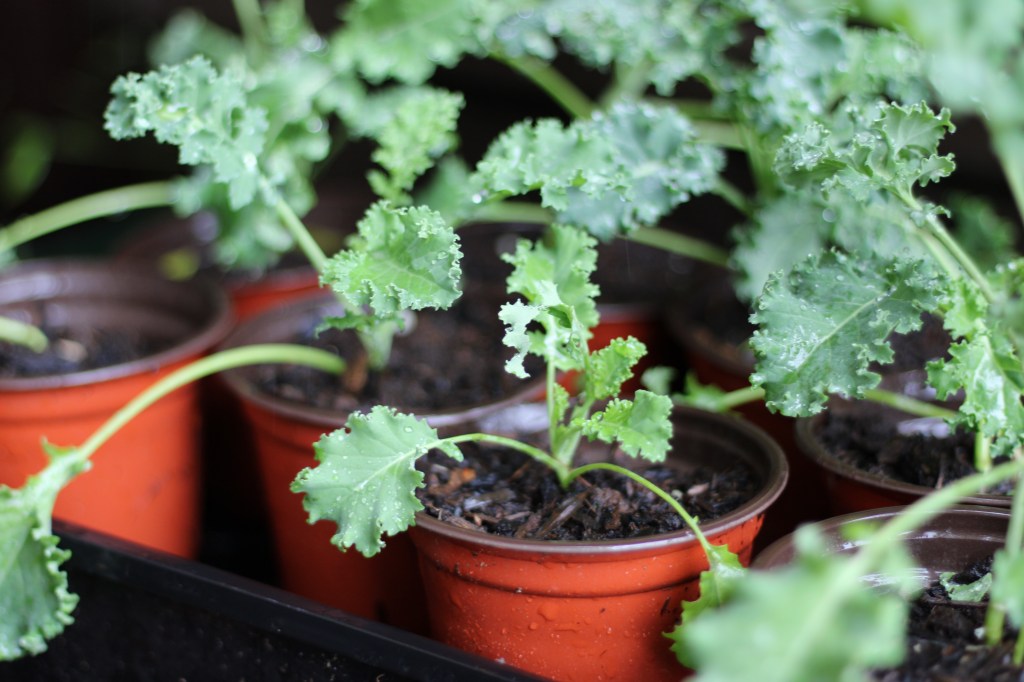
Once your seedlings have grown into strong and healthy plants, it’s time to transplant them into your garden. Make sure to harden off your plants before transplanting by gradually exposing them to outdoor conditions. This will prevent them from going into shock when they are planted in the ground.
Starting seeds is a great way to save money and grow a variety of plants that may not be readily available at your local nursery. It also gives you a sense of accomplishment and a deeper understanding of the growing process. With some patience and care, you can successfully start your own seeds and watch them grow into beautiful plants.
In conclusion, starting seeds is a great way to kickstart your gardening journey. It requires some knowledge and preparation, but with the right materials and conditions, you can grow your own plants from scratch. Remember to choose the right seeds for your climate, provide the necessary conditions for germination, and transplant your seedlings into larger containers before planting them in your garden. Happy gardening!
 forestgirlfarm.com